|
 |  |  |  |  |  |  |  |  |
 |  |  |


|
Waterloo Regional Children's Museum ProgramsThe Waterloo Regional Children's Museum serves families across the Region of Waterloo, including Kitchener, Waterloo and Cambridge, offering hands-on learning for children aged newborn to early teens. Located within a short drive of the University of Waterloo and Wilfrid Laurier University, the museum functions as an accessible civic resource that supports early learning, summer learning loss prevention and community inclusion. Regular collaboration with the Waterloo Region District School Board and public libraries ensures programming aligns with local curricula and literacy initiatives. Public health partners such as Region of Waterloo Public Health guide safety protocols and nutrition standards for snack offerings during events. Family events and signature programming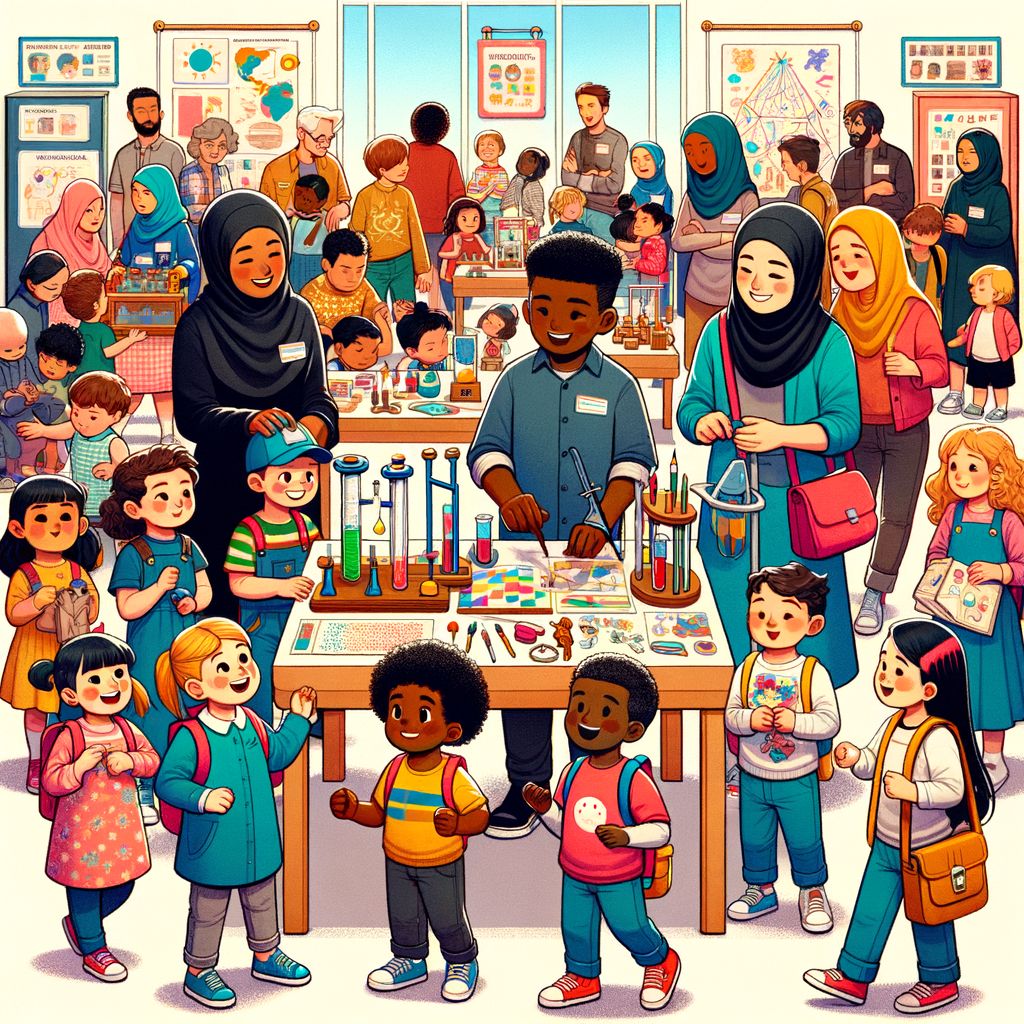
Programming mixes predictable weekly access with seasonal spectacles that reflect local school calendars and community rhythms. Drop-in open play runs multiple weekdays and weekend mornings to accommodate diverse caregiver schedules. Signature annual highlights include a Spring family celebration timed around Easter, a Summer Family Festival in July that moves activities outdoors to municipal parks, Back-to-School learning launch events in late August, October fall and Halloween activities, and a Winter light celebration through December. Below is a typical annual sample of event types, target ages, typical attendance and capacity planning to inform scheduling and staffing needs.
Program design balances multiple needs: a subset of low-sensory, small-group sessions for families requiring reduced stimulation; larger public festivals that serve as audience development; and curated content for early years literacy and STEAM exploration. Weekend themed events pair exhibit experiences with short workshops run by local artists and educators. Educational themes and accessibilityLearning goals prioritize emergent literacy, inquiry-based STEAM learning, ecological awareness and cultural competency. Workshops follow measurable goals such as vocabulary growth for story-based sessions and basic engineering concepts for maker activities. Nature and outdoor programming leverages municipal greenspaces and partnerships with local conservation authorities for pond study walks and native species planting aligned with the Region of Waterloo biodiversity priorities. Accessibility and inclusion are embedded across offerings. Monthly sensory-friendly mornings reduce visitor density and noise, with low-light zones and visual schedules available. Multilingual events commonly include English and French storytimes and periodic Punjabi or Arabic family celebrations reflecting local demographics. Mobility access, large-print guides and hearing-assist devices are standard; staff training covers nondiscriminatory practice and inclusive facilitation. Operations, safety, partnerships and fundingOperational planning combines clear scheduling, physical flow design and emergency readiness. Event calendars are published quarterly with peak-date pre-registration for camps and festivals. Capacity figures are set using municipal occupancy codes and exhibit flow studies. Staffing mixes include trained educators, seasonal facilitators and up to 50 regular volunteers and interns from local post-secondary institutions. First aid trained personnel are present during all public hours; incident reporting follows Region of Waterloo Public Health guidance. Funding models blend earned revenue from admissions, memberships and rentals with grants from foundations such as the Ontario Trillium Foundation and municipal arts funding. Memberships provide perks including priority registration and member-only previews. Corporate sponsorship packages support signature events and naming opportunities for galleries or program series. Concessions emphasize healthy snack options following public health standards. Marketing, evaluation, media and future opportunities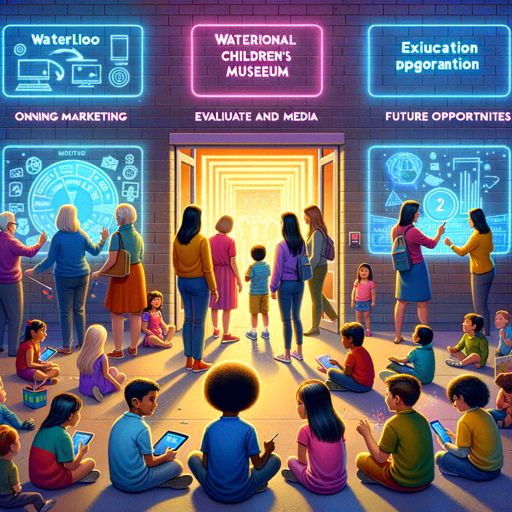
Promotion uses family-focused messaging across social media channels and targeted email newsletters. Partnerships with school boards and libraries extend outreach into classroom newsletters, while local radio and community papers amplify large festivals. Attendance tracking pairs gate counts with simple demographic surveys to inform equity-focused outreach. Visitor feedback is collected through brief exit surveys and periodic focus groups; learning outcomes use observable indicators such as vocabulary use and task persistence in maker challenges. Media protocols require visible consent signage and parental release forms for any professional photography. Privacy policies align with provincial privacy norms and restrict use of identifiable images without signed permission. Sustainability actions include waste reduction at events through compost stations and reusable materials for workshops, plus active-play promotion via outdoor programming. Pilots planned for the coming two years include hybrid virtual workshops to reach caregivers unable to attend in person, pop-up maker days in collaboration with local libraries, and a mobile outreach unit for community neighbourhoods identified through demographic mapping. These innovations aim to increase access, deepen educational impact and strengthen ties with municipal partners. |
|
|
|||||||||||||||||||||||||||||||||||||||||||||||||||||||||||
|
home | the exhibits | what's happening | plan your visit | classroom connections | get involved | about us | contact us

|